
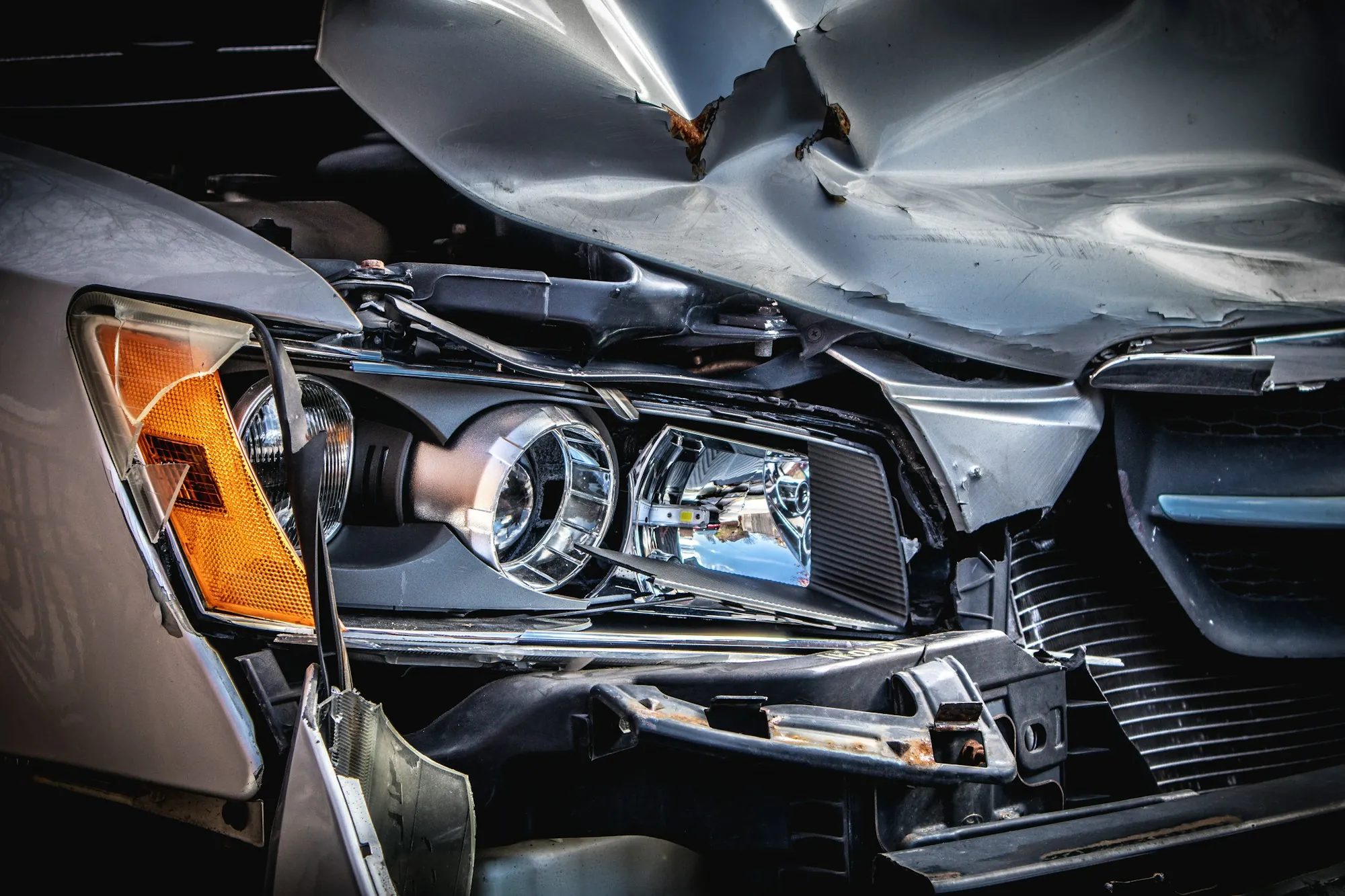
When the whole car took the hit
Collision Repair in St. Paul That Brings the Whole Car Back
Whether it was a deer stepping out on McCreary Road or a pickup that misjudged the light on Highway 78, the repair begins by opening the car up and finding out how far the impact really traveled.
Start with what happened, at (000) 000-0000Why a Wreck Out Here Is Rarely Just One Panel
Out around St. Paul a lot of collisions happen at speed on two-lane county roads, which means the force of a deer strike or a slide into a ditch usually travels well past the bumper and into brackets, radiator supports and the rails behind them. That is why collision repair at Autobody Repairs St. Paul starts with patience rather than parts orders, because the honest picture of a wreck only shows up once the damaged area has been taken apart. We photograph what we find, write it into a repair plan and go over it with you in plain terms, so you understand what was bent and what simply needs a fresh finish. If an insurance claim is involved, we explain what the adjuster will be looking at and keep the paperwork moving on our end. From there the work follows a sensible order, structure first, then body, then paint and a final check, so each stage sits on a solid foundation. The goal is simple enough to say and careful enough to take some time: restore the car so it drives, closes and looks the way it did before.
The Pieces a Proper Collision Repair Covers
A wreck touches several trades at once, and keeping them in one building means nothing gets lost between handoffs.
Careful disassembly
We remove the bumper cover, lamps, liners and trim around the impact so the hidden brackets and supports can be inspected rather than guessed at.
A written repair plan
Everything we find goes into a plan with photos attached, which gives you and your insurer the same clear picture of what the crash actually did.
Structural correction
If the impact shifted the unibody, the car goes on the bench and is straightened out before any outer panel is fitted, since panels only line up on true structure.
Cooling and mounting parts
Deer strikes in particular tend to crack radiators, condenser mounts and headlamp tabs, so those get checked and replaced wherever they took damage.
Body panel work
Fenders, doors, hoods and quarter panels are repaired when the metal can be brought back cleanly and replaced when it cannot.
Matched refinishing
Fresh paint is tinted to your car's color and blended into the neighboring panels, which keeps the repaired area from standing apart in sunlight.
Systems scan
A diagnostic scan before and after the repair catches crash codes and confirms that sensors, airbags and driver aids report correctly.
Final road check
We drive the car and check gaps, doors, lights and steering feel, and only then do we let you know it is ready to come home.
How the Job Unfolds From Drop-Off to Pickup
- 1
Inspect and photograph
Once the car arrives, whether you drive it in or it comes in on a tow truck from out past Lavon, we look it over closely and photograph every area of damage. That first look gives us a preliminary plan and lets us explain the likely scope while you are still standing in the shop. If you are filing a claim, we start that conversation with your insurer so approvals are not held up later.
- 2
Open it up
After approval we take the damaged area apart, because the parts that matter most in a collision are usually tucked behind the parts you can see. Anything new that turns up, like a bent rail tip or a cracked mount, is photographed and added to the plan with your knowledge before work continues. This is the stage that keeps surprises from showing up after the car is painted.
- 3
Rebuild in order
Structure is corrected first, then panels are repaired or fitted, then the car goes to paint and reassembly, which is the order that lets each step rest on the one before it. A post-repair scan and a drive on the roads around town confirm that everything works together. When it all checks out, we walk you around the car and show you what was restored.
What Local Drivers Get From a Shop Nearby
We know these roads
Deer near the lake, loose gravel on the shoulders and construction trucks in new subdivisions each leave their own kind of damage, and knowing those patterns helps us look in the right places.
One building, one plan
Structure, body, paint and scanning happen under one roof, so you are not relaying messages between separate shops while your car sits waiting.
Plain explanations
You hear what was damaged, why it matters and what we intend to do about it, in language that makes sense without a mechanic's dictionary.
Had a Wreck Close to Home
Tell us what happened and where, and we will explain what the repair is likely to involve before anything is taken apart. The car stays with one crew from the first photos to the last road check.
Lay out the details of the crash at (000) 000-0000