
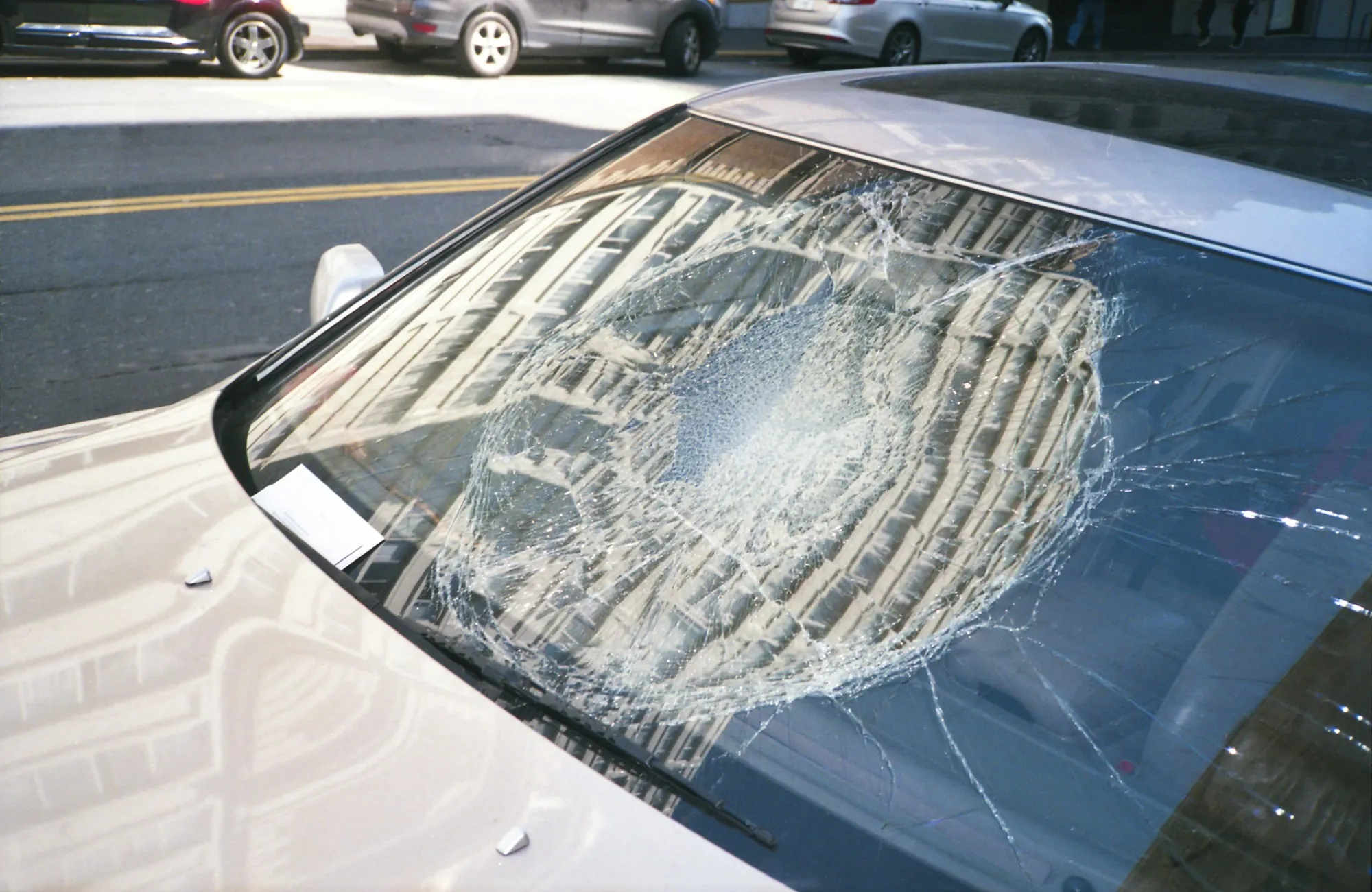
Auto glass
Windshield & Auto Glass Replacement in St. Paul
Gravel thrown from a pickup on a country road can start a crack that slowly crawls across the windshield, and a collision can shatter door or back glass outright.
Ask about your cracked glass — (000) 000-0000Glass Holds More Than the View
A windshield is a structural part of the car, helping the roof stay up in a rollover and giving the passenger airbag something firm to push against, so the way it is glued in place matters as much as the glass itself. Around St. Paul, chips and cracks often start with gravel, since loose stone on the shoulders of FM 1378 and the newer subdivision roads gets flung by every passing truck. Replacing a windshield means removing the old glass cleanly, preparing the body flange, laying a fresh bead of urethane and then giving that urethane the cure time it needs before the car is driven. Door glass and back glass follow their own steps, from clearing every shard out of the door to reconnecting defroster lines in the rear window. Many windshields now carry a forward camera for lane-keep and automatic braking, and that camera has to be recalibrated once the new glass is in. We handle that recalibration as part of the job, so you do not need to arrange it separately.
What a Glass Replacement Takes
Glass work looks simple from the outside, but each of these steps affects how the new glass seals, holds and performs.
Correct part matched to the car
Windshields vary by sensor brackets, tint bands and heating elements, so the glass is matched to your exact vehicle.
Old glass removed cleanly
The damaged windshield is cut out with care to protect the paint and the body flange underneath.
Body flange readied
Old urethane is trimmed, any exposed metal is primed, and the surface is cleaned so the new bond grips properly.
Fresh urethane bead
A consistent bead of urethane is laid so the glass seats evenly and seals against wind, water and dust.
Bond left to strengthen
The car stays put until the urethane has cured enough to hold the glass and support the airbag safely.
Side windows and rear glass
Door and back glass are replaced, with regulators, seals and rear defroster connections checked along the way.
Shards cleared from the cabin
Broken glass is vacuumed from seats, carpets, vents and door cavities so nothing rattles or cuts later.
Lane camera brought back in line
When a windshield holds a lane-keep or automatic braking camera, that camera is recalibrated before the car leaves.
How New Glass Goes In
- 1
Match the part and the sensors
We check your vehicle's details to order the right windshield or window, including brackets for any camera or rain sensor. The interior is protected with covers before work begins. Any trim that has to come off is noted. You learn whether calibration will be needed before the job starts.
- 2
Remove, prepare and set
The old glass is cut out and the flange is cleaned and primed. A fresh urethane bead goes down, and the new glass is lowered into position and pressed evenly. Moldings and trim are reinstalled. The car then sits while the urethane cures to a safe strength.
- 3
Recalibrate and test
Where a camera rides on the windshield, it is recalibrated to the maker's targets. We check for wind noise and water leaks around the edges. Defrosters and power windows are tested on side and rear glass. Then the car is cleaned up and ready for you.
Why Glass Work Fits Well With a Body Shop
One shop for glass and body
When a collision breaks glass and bends metal, both repairs happen here. That saves you from coordinating two separate appointments.
No shortcuts on cure time
Driving too soon on fresh urethane can weaken the bond. We wait for it to cure, even when that means the car stays a little longer.
Calibration built in
A windshield camera that is off by a degree can misread the lanes on Parker Road. Recalibration is part of the job, not an add-on.
Is a Crack Creeping Across Your Windshield?
Cracks tend to grow with every bump and temperature swing, so it pays to deal with them before they spread into your line of sight. Ring the shop and tell us which glass is damaged, and we will explain the replacement and any calibration it needs.
Tell us which glass broke — (000) 000-0000