
Getting the car here
Accident Towing in St. Paul, Lined Up by the Shop
After a wreck on a two-lane road outside St. Paul, the car often ends up wherever the first tow truck took it, and that is rarely where you would choose.
Tell us where the car ended up — (000) 000-0000Where Wrecked Cars Tend to End Up
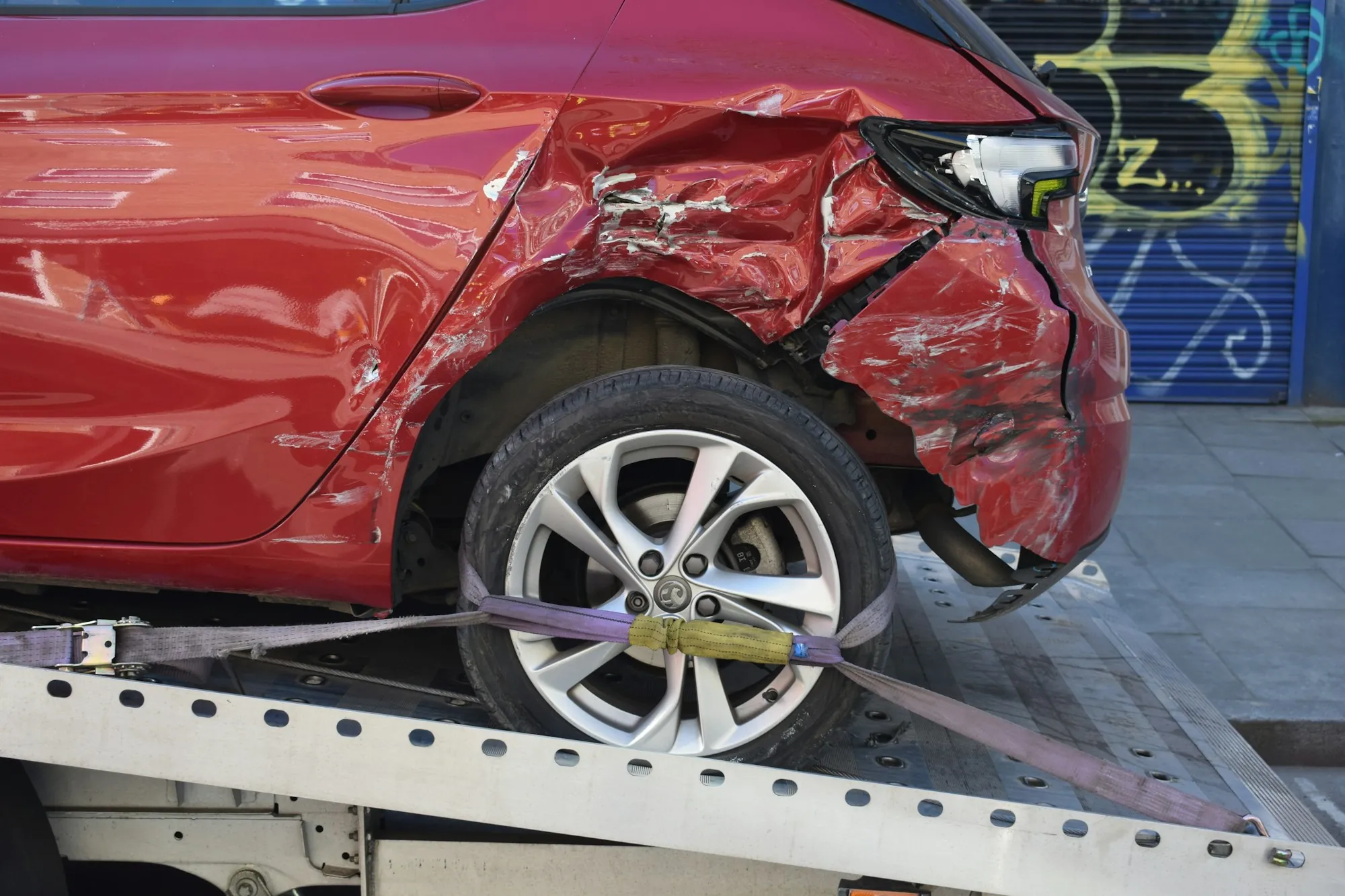
When police clear a crash on McCreary Road or Highway 78, the car is often hauled to a storage yard chosen by whoever arrived first, and from that moment a daily storage fee begins quietly adding up. Most drivers do not realize how quickly those charges grow, or that their insurer may only cover a portion of them, until the bill appears weeks later. We arrange towing so the car comes straight to the shop, whether it is still at the scene or already sitting in a yard somewhere between Plano and Lavon. That means locating the vehicle, helping with the release paperwork the yard requires, and sending a flatbed so a damaged car is moved without making the damage worse. Once the car is here, it is photographed and inspected so the estimate and the claim can start moving. You make one call to us rather than several to yards, tow companies and adjusters.
What Arranging the Tow Involves
Moving a damaged car sounds simple, but these are the details that keep it from becoming a costly hassle.
Locating a car that was hauled off
If you are unsure where the car was taken, we help find the storage yard using the police report or tow ticket.
Paperwork the yard asks for
Storage yards often require specific documents before they let a car go, and we help gather and present them.
Carried flat, not dragged
A flatbed carries the car without dragging bent wheels or suspension, so the tow does not add new damage.
Straight from the roadside
When the car is still at the accident location and safe to reach, we line up a truck to bring it here.
The fee clock explained
We explain how storage fees accumulate so you understand why moving the car promptly keeps costs down.
Policy checked for towing
We look at whether your policy includes towing so you know what will be covered before the truck rolls.
A condition record at our door
The car is photographed as soon as it reaches the shop, creating a record of its condition after the tow.
Teardown and estimate get going
Once the car is here, the damage is inspected and the estimate starts so the claim keeps moving.
How the Car Makes Its Way to Us
- 1
Share what you know
Give us whatever details you have, such as where the crash happened, the tow ticket or the police report number. We figure out whether the car is at the scene or in a yard. We also check whether your policy covers the tow. You do not need to call around yourself.
- 2
Arrange the flatbed and the release
We line up a flatbed and, if the car is in storage, handle the release requirements with the yard. Any fees owed at the yard are explained before pickup. The driver loads the car carefully to avoid extra damage. It then heads straight to the shop.
- 3
Receive and assess
When the car arrives, it is photographed and parked securely. A technician inspects the damage and the estimate begins. Your insurer is notified that the car is here. From that point the repair and the claim move forward together.
Why Letting the Shop Arrange the Tow Helps
The yard bill stops growing
Every day in a yard adds to the bill. Moving the car promptly keeps those charges from piling higher.
One call instead of five
You talk to us, and we talk to the yard, the tow company and the adjuster. That spares you a long string of phone calls.
No idle weeks in a yard
A car sitting in storage cannot be inspected or estimated. Once it is here, the work and the claim can move ahead.
Was Your Car Hauled Off After the Wreck?
Every day it sits in storage adds to the bill, so the sooner it moves, the better. Ring the shop with whatever details you have, and we will take care of bringing it here.
Get the car moved to our bay — (000) 000-0000