
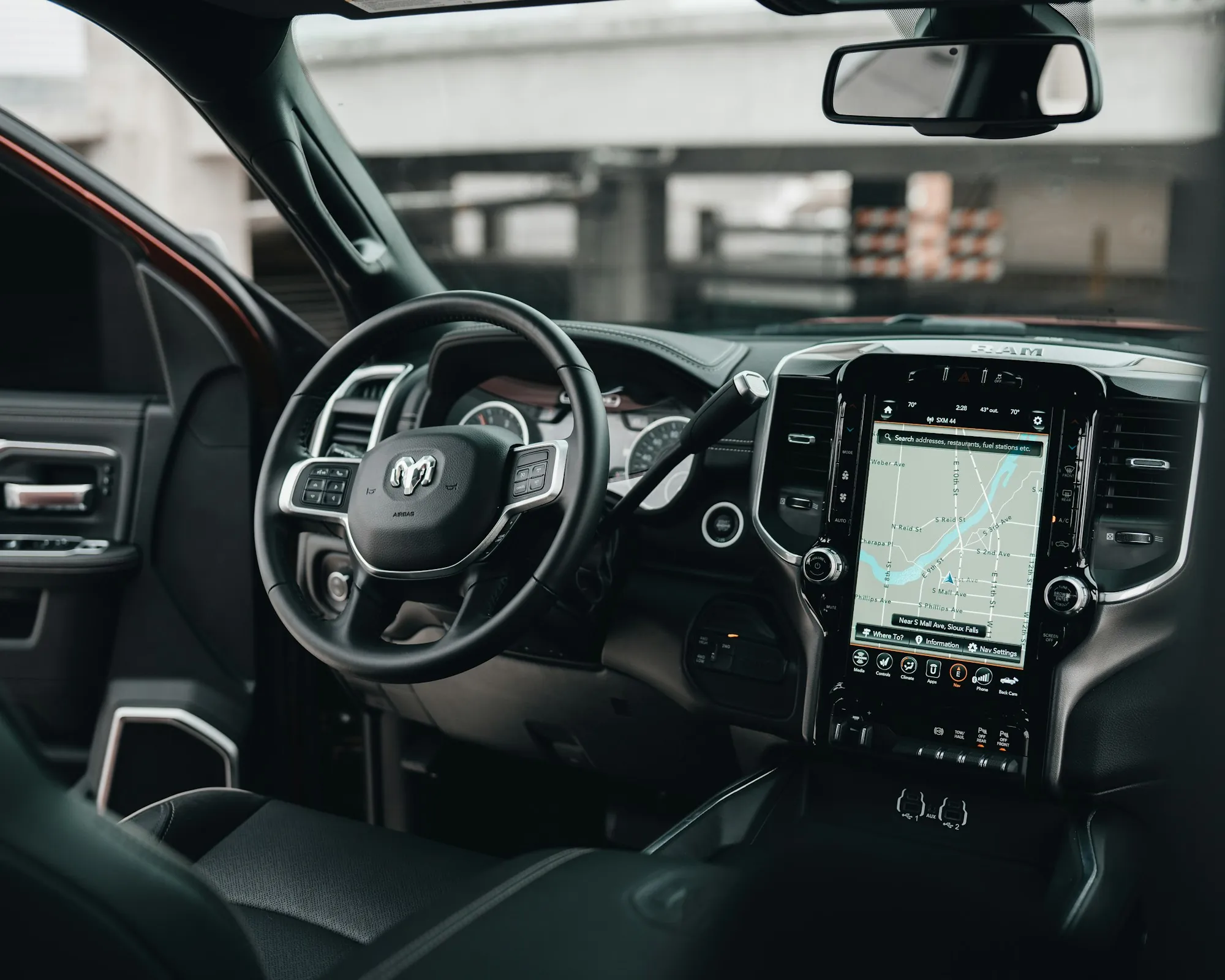
Driver-assist systems
ADAS Calibration in St. Paul After Body and Glass Work
A bumper that has been straightened out or a windshield that has been replaced can leave a camera or radar unit looking a few degrees off, which matters more than most people expect.
(000) 000-0000 — ask whether your sensors need aimingSmall Angles, Big Consequences
Modern cars watch the road through a camera behind the windshield and radar units tucked into the bumpers and grille, and those sensors only work well when they point exactly where the maker intended. After even a modest collision, or after a bumper cover, bracket or windshield has been replaced, a sensor can sit a degree or two away from true without any warning light at all. On a country stretch like McCreary Road, where lane lines fade and deer step out of the tree line, a lane-keep camera that reads the edge wrong or an automatic braking system that judges distance poorly is a real concern. That is why we scan the car before the repair begins to see what the modules report, and scan again afterward to confirm nothing was left behind. In between, the camera and radar are recalibrated to the manufacturer's steps so lane-keep, blind-spot monitoring, adaptive cruise and automatic braking behave the way they should. You receive the reports, and we are happy to explain what each one means.
What Sensor Work Covers
Calibration is less about one machine and more about a sequence of careful checks, and these are the ones that make up the job.
Opening module scan
Before any repair, the car's computers are read so existing fault codes and sensor issues are recorded rather than discovered later.
Closing module scan
After the work, the modules are read again to confirm every system reports correctly and no new codes have appeared.
Forward camera targeting
The windshield camera that guides lane-keep is aimed against a target so it reads lane markings at the right angle.
Front radar brought back to true
The radar behind the grille or bumper, which adaptive cruise and automatic braking rely on, is returned to its intended angle.
Rear corner radar checks
Blind-spot and cross-traffic sensors in the rear bumper are tested and adjusted after any work near the corners of the car.
Ride height and wheel angles
Wheel alignment and ride height affect where sensors point, so both are confirmed before calibration begins.
Maker's procedure lookup
Each vehicle's calibration steps are pulled from the manufacturer so target distances and conditions match what the car expects.
Road confirmation drive
Some systems need a measured drive to finish learning, and that drive confirms the features respond as intended.
From First Scan to Final Report
- 1
Listen to the car
We connect a scan tool and record what every module reports before anything is unbolted. That snapshot becomes the starting point for the repair plan. Any sensor already showing trouble gets noted so it is not overlooked. You will hear about anything unusual we find at this stage.
- 2
Set the targets
Once the body or glass work is finished, the car is placed on level ground with alignment confirmed. Targets are positioned at the distances the maker specifies for that model. The camera and radar are recalibrated one at a time, following each step in order. Nothing is guessed, because a small error here grows larger at highway speed.
- 3
Confirm and hand over
A closing scan checks that each system reports clean and calibrated. Where the procedure calls for it, a drive along a road like the President George Bush Turnpike lets the systems finish learning. The scan reports go into your file and to your insurer when they are part of the claim. We then walk you through the results before handing back the keys.
Why Sensor Work Belongs in the Repair Plan
Calibration planned from the start
We build sensor work into the estimate early, rather than treating it as an afterthought once the paint is dry.
Reports you can keep
Every scan and calibration result is printed or saved for your records. If a question comes up later, the paperwork answers it.
Explained without jargon
Driver-assist systems sound complicated, but the idea behind them is simple. We take the time to explain what was adjusted and why it matters on the roads around Lucas and Parker.
Has a Dash Light Appeared Since the Repair?
A warning light or a lane-keep system that suddenly feels unsure is often a sign that a sensor needs attention. Ring the shop, describe what the car is doing, and we will explain what a calibration involves for your model.
Describe what your dash is showing — (000) 000-0000